Quick answer: The most effective skin whitening ingredients backed by science are hydroquinone, vitamin C, niacinamide, azelaic acid, retinoids, and tranexamic acid. They work by slowing melanin production or transfer, and results appear over 8-12 weeks – but only if you use daily sunscreen. This guide is regularly updated to reflect current dermatology consensus.
What are skin whitening ingredients?
Skin whitening ingredients are topical or oral compounds that reduce melanin production, transfer, or accumulation in the skin to fade dark spots and even out tone. Clinically, the goal is usually reducing hyperpigmentation – not lightening your natural baseline color. That is why dermatologists often prefer the word "brightening."
Most work through one of these mechanisms:
- Tyrosinase inhibitors – block the key enzyme in melanin production.
- Melanosome transfer inhibitors – stop pigment reaching skin cells.
- Antioxidants – reduce oxidative stress that drives dark spots.
- Exfoliants – speed cell turnover to shed pigmented cells.
How does skin lightening actually work?
Melanin is made by melanocytes through a process called melanogenesis. The enzyme tyrosinase is the rate-limiting step, so most whitening actives target it. Common triggers for excess pigment include UV exposure, post-inflammatory hyperpigmentation (PIH) from acne, hormones, and melasma.
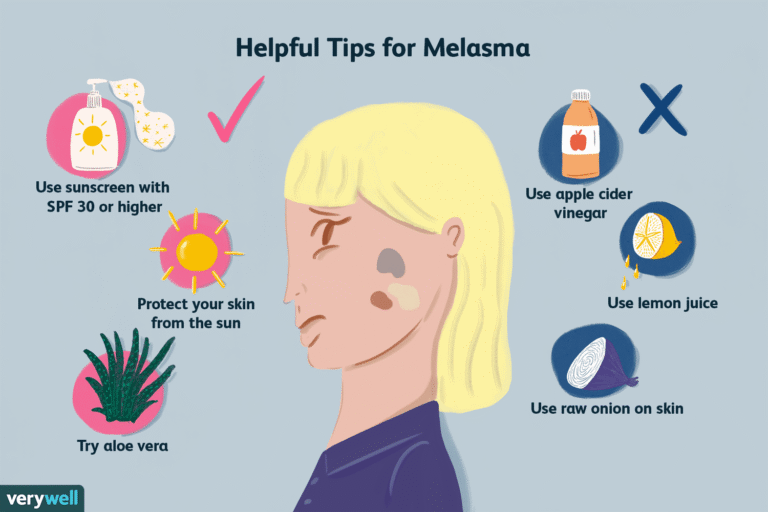
Because sunlight reactivates melanocytes, no ingredient works long term without UV protection. This single factor separates people who see results from those who do not.
Which skin whitening ingredients are proven by science?
Here are the evidence-backed actives, grouped by strength of evidence.
Hydroquinone
Hydroquinone is widely considered the gold standard for hyperpigmentation. It inhibits tyrosinase and is typically used at 2% (over-the-counter historically) to 4% (prescription). In the US, the FDA restricted OTC hydroquinone sales, so it is now mainly prescription-based; the EU also limits it in cosmetics. Overuse can cause ochronosis, a blue-gray discoloration, so cycle it under guidance from a professional resource like the American Academy of Dermatology.
Vitamin C (L-ascorbic acid)
A dual-action antioxidant and mild tyrosinase inhibitor. It brightens, protects against UV-driven pigment, and boosts collagen. Effective serums are usually formulated at 10-20% at a low pH. Pair it with sunscreen every morning.
Niacinamide (vitamin B3)
Niacinamide reduces the transfer of melanosomes from melanocytes to skin cells. It is gentle, well tolerated, and commonly used at 2-5%. Great for beginners and sensitive skin.
Azelaic acid
Works as a tyrosinase inhibitor and calms inflammation, so it suits acne-related PIH and rosacea. Found around 10% OTC and 15-20% by prescription. See DermNet for clinical detail.
Tranexamic acid
Strong evidence for melasma, used topically and orally (oral only under medical supervision). It interrupts the UV-triggered pathway that stimulates pigment.
Retinoids, kojic acid, alpha arbutin, licorice, and AHAs
- Retinoids (tretinoin, retinol): speed cell turnover and fade pigment over months.
- Kojic acid: tyrosinase inhibitor, often blended with other brighteners.
- Alpha arbutin: a gentler, arbutin-derived tyrosinase inhibitor.
- Licorice extract (glabridin): plant-based tyrosinase inhibitor.
- AHAs (glycolic, lactic acid): exfoliate to lift surface pigment.
Ingredient comparison table
| Ingredient | Mechanism | Typical strength | Access | Evidence |
|---|---|---|---|---|
| Hydroquinone | Tyrosinase inhibitor | 2-4% | Mostly Rx | Very strong |
| Vitamin C | Antioxidant + tyrosinase | 10-20% | OTC | Strong |
| Niacinamide | Blocks melanosome transfer | 2-5% | OTC | Strong |
| Azelaic acid | Tyrosinase + anti-inflammatory | 10-20% | OTC/Rx | Strong |
| Tranexamic acid | Blocks UV pigment pathway | Varies | OTC/Rx | Strong (melasma) |
| Retinoids | Cell turnover | 0.025-1% | OTC/Rx | Strong |
| Glutathione | Antioxidant | Oral/IV | Supplement | Weak/limited |
How do you combine skin whitening ingredients safely?
Layer actives so they support each other without irritating your skin.
- Morning: Vitamin C serum, then moisturizer, then broad-spectrum SPF 30+.
- Night: A single strong active such as a retinoid or azelaic acid.
- Anytime: Niacinamide is compatible with almost everything.
- Avoid stacking multiple exfoliants plus retinoids at once – over-exfoliation causes more pigment.
Yes, niacinamide and vitamin C can be used together in modern formulas; the old "they cancel out" claim is outdated.
How long do skin brightening ingredients take?
Most people see visible improvement in 8-12 weeks, with deeper or hormonal pigment (like melasma) taking 3-6 months. Results are not permanent: without daily sunscreen and maintenance, dark spots return.
Key takeaways
- Aim for even tone, not bleaching your natural color.
- Hydroquinone, vitamin C, niacinamide, azelaic acid, and tranexamic acid have the strongest evidence.
- Sunscreen is non-negotiable – it protects every result.
- Give products 8-12 weeks before judging.
- Avoid illegal creams containing mercury.
FAQ
What is the most effective skin whitening ingredient?
Hydroquinone is generally the most effective single ingredient for hyperpigmentation, but it is prescription-restricted in many regions and needs medical oversight.
Are natural skin whitening ingredients as effective as clinical ones?
Usually not. Botanicals like licorice and kojic acid help, but they are milder and slower than clinically dosed actives such as hydroquinone or tranexamic acid.
Do glutathione supplements or injections whiten skin?
Evidence is weak and inconsistent, and IV glutathione carries safety risks. It is not a dermatologist-recommended first-line option.
Is hydroquinone safe to use?
It is safe for short, supervised courses. Prolonged overuse can cause ochronosis, so cycle it and follow a professional's guidance.
What's the difference between skin whitening and skin brightening?
"Whitening" is a marketing term implying lighter skin; "brightening" more accurately describes fading dark spots and evening out tone, which is the real clinical goal.